Topic Identification
Emerging reader questions and industry shifts guide the selection of timely and relevant topics.
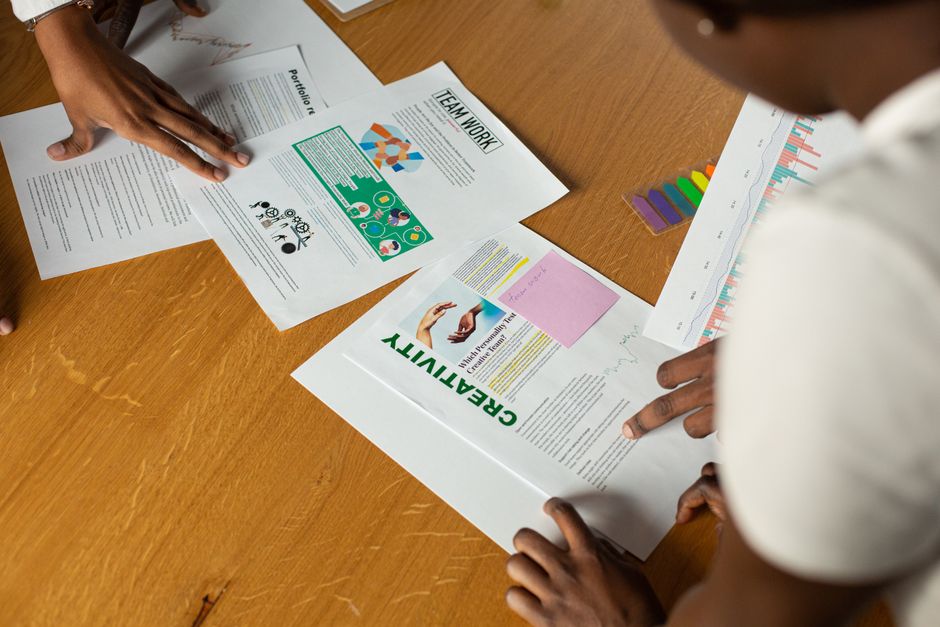
Remote Compass follows a structured methodology to select and develop remote work topics. We base topic selection on relevance to remote professionals, weighing current trends and reader interest as guiding criteria. Each piece undergoes source verification through cross-referencing with multiple independent outlets and primary documents. Editorial review then assesses clarity, neutrality, and practical applicability. All content is presented as informational material without guarantees, reflecting findings that may be context-dependent.
Emerging reader questions and industry shifts guide the selection of timely and relevant topics.
We collect diverse references like research reports, expert commentary, and experienced professional perspectives to inform coverage.
Each claim is fact-checked and cross-referenced against reliable sources and established data practices.
Draft content is examined for clarity, balance, and practical context compliance within our information standards.
Accuracy and relevance are central to our content process. We rely on current, verifiable information and update material when industry practices shift, aiming to avoid outdated assumptions. Topics are contextualized within broader remote work trends and reader needs, with transparent sourcing and clear notes on limitations. Our content is general informational and may not apply to all situations. We remain committed to neutral, factual reporting for Remote Compass readers.
Remote Compass content is built to be practically useful for remote work audiences. Each article outlines tools, strategies, and organizational methods with clear explanations, avoiding directive advice and instead presenting options and considerations. We focus on methodology and context so readers can see how conclusions are formed. Before publication, topics are researched and reviewed for accuracy and relevance. Because remote work conditions differ, readers are encouraged to adapt the information to their circumstances. The blog does not assume responsibility for individual decisions or outcomes. Our aim is to provide a transparent informational framework—not step-by-step instructions. This approach aims to orient rather than prescribe, supporting readers as they make their own judgments. The blog also explains how updates are handled, aiming to keep material relevant as the remote work landscape evolves, and how terminology is context-dependent.